“coffee tree common sense” search results (600)
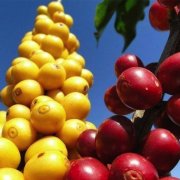
Coffee common sense bourbon (BOURBON) natural variety: Kaddura
Kaddura (Caturra), a natural variety of Arabica variety bourbon, was discovered in Brazil in 1937. Its tree is not as tall and shorter as bourbon.
2015-02-13 Coffee common sense bourbon BOURBON nature variant Dula C.
Coffee users must know 25 common sense of coffee
1. According to legend, coffee was discovered by an Ethiopian shepherd named Khaldi in the 9th century. While herding the sheep, Khaldi found that the sleepy sheep looked very excited after eating the red fruit of an evergreen tree. Khaldi brought the fruit to a Muslim cleric who made the fruit from the coffee tree into a delicious drink. 2. Although
2015-10-10 Coffee control will 25 common sense
Coffee common sense what is a coffee belt (COFFEE WORLD MAP)
Coffee trees grow in tropical or subtropical agricultural gardens centered around the equator and called coffee belts. Most of the coffee production is between the Tropic of Cancer, 25 degrees north of the tropical or subtropical equator and 30 degrees south of the equator. An area with an annual average temperature of 16-25 degrees Celsius, no Frosts Descent and rainfall of 1600-2000 mm. At present, coffee is mainly produced by seven countries.
2014-11-11 Coffee knowledge coffee common sense coffee belt
Coffee basic knowledge Coffee Control must know 25 Common sense of Coffee
1. According to legend, coffee was discovered by an Ethiopian shepherd named Khaldi in the 9th century. While herding the sheep, Khaldi found that the sleepy sheep looked very excited after eating the red fruit of an evergreen tree. Khaldi brought the fruit to a Muslim cleric who made the fruit from the coffee tree into a delicious drink. 2. Although
2015-04-07 Coffee basics common sense Guobi 25
Boutique coffee common sense when can coffee beans be picked
Coffee trees usually blossom in 3-4 years, about 2-3 months a year, and their appearance and smell are similar to those of jasmine. when they bloom, they grow in clusters on the branches and bloom for 3-5 days. After the flowers bloom, they bear small green fruits, which ripen and turn red into ripe fruits that can be picked after a few months. The skin of ripe fruit is red. Because its shape and color are similar to cherries, ripe coffee fruit is called coffee cherry in many places.
2015-03-27 Boutique coffee common sense coffee beans when can
Coffee common sense Ethiopia's most complex and diverse Harar coffee
Harar (Harar-4)(Origin) Ethiopia (Treatment) Sunburn (Roasting) Recommended Roast Level: City Roast or Deep City Roast (Cup Review) Medium to slightly sour, full-bodied, intense mocha flavor and signature blueberry flavor Common variety of Harar region in western Ethiopia, strong tree species
2014-12-15 Coffee Common Sense Ethiopian Flavor Complex Variety Harar Lal Hara
Boutique coffee beans common sense what is a male bean and what is a mother?
Male bean is a variety of coffee beans, which mainly refers to Peaberry or caracoli, also known as small round beans. And gongdou is just a common name in Chinese. The common bean can be said to be a flaw in botanical theory, which can be caused by two kinds of causes. one is that the coffee is damaged by insects before it is fruited, and it may also be due to the influence of factors such as prolonged drought or uneven nutrition.
2015-10-20 Boutique coffee beans common sense what public beans
High-quality Coffee Common sense altitude on Coffee Flavor
As the birthplace of tea culture in China, the idea of good tea from high mountains is deeply rooted in the hearts of the people, so if it is mentioned that high mountains produce good coffee, there should be a lot of people who agree with it. In fact, many low-altitude areas can also produce top-quality coffee. Under the premise of complete air temperature, rainfall, topography and soil, coffee trees especially like the microclimate characteristics of frequent fog and large temperature difference between day and night.
2014-11-22 Coffee knowledge coffee common sense altitude coffee flavor
The 25 common sense that coffee control needs to know. Are you a coffee fan?
Are you a coffee addict? Do you know anything about coffee? 1. According to legend, coffee was discovered by an Ethiopian shepherd named Khaldi in the 9th century. While herding sheep, Khaldi found that sleepy sheep were very excited after eating the red fruit of an evergreen tree. Khaldi brought the fruit to a Muslim cleric who put the coffee on the tree.
2015-10-20 Coffee I know 25 common sense are you control?
Arabica coffee originated from the common sense of Ethiopian coffee.
Ethiopia is a coffee-producing country with many legends, numerous varieties, rich orange fragrance and many fresh things, and there is no second country in the world that can compete with it. Ethiopia's long coffee history and cultural scenery have attracted a large number of explorers, archaeologists, botanists, anthropologists and writers to Fangze. The sleeping lion of Africa suddenly woke up after the millennium and burst into bursts.
2015-02-11 Rabbi coffee origin Ethiopia common sense producing country
The planting conditions of high-quality coffee beans and common sense coffee trees
The origin of the coffee tree is Ethiopia in Africa. In botany, coffee trees belong to the evergreen trees of the subgenus Rubiaceae, and coffee beans, commonly known as coffee beans, are actually the seeds of the fruit of coffee trees. They are called coffee beans only because they are shaped like beans. Climate is the decisive factor for coffee cultivation. Coffee trees are only suitable for growing in the tropics or subtropics, so latitude 25 degrees south and north.
2015-02-25 Boutique coffee beans common sense coffee planting conditions origin Africa Egypt
Fine Coffee Culture, Common sense, Coffee History
African shepherds discovered strange coffee fruits on the plateau in about 500 AD. Since then, humans have known coffee. Coffee was planted in Arabian Peninsula and used as medicinal and religious feed. Coffee was introduced into Europe from Venice, Italy, in 1554. The colorful European coffee culture began to be born in 1616. Coffee was spread to the Netherlands from the port of Mocha.
2014-12-08 Boutique Coffee Culture Common sense Coffee History 500 AD non-
Boutique coffee basic common sense coffee of Cameroon
The cultivation of Arabica coffee trees in Cameroon (Cameroon) began in 1913 as the Blue Mountain Coffee from Jamaica, but the country also produces large quantities of Robbins coffee. Coffee production in Cameroon: the best coffee in Cameroon comes from Bamileke and Bamoun in the northwest. In addition, it also grows some giant coffee beans and bean-shaped berry coffee.
2014-12-19 Boutique Coffee Basics Common sense Cameroon Arab Cam
Boutique coffee basic common sense Guadeloupe coffee
These islands in the Caribbean used to be an important producer of coffee. In 1789, more than 1 million coffee trees on 500 hectares of land produced 4000 tons. Today, only 150 hectares of land is used to grow coffee. Coffee producing area of Guadeloupe: Guadeloupe used to be the best producer of coffee, but now it is no longer exported. The characteristics of Guadeloupe Coffee
2014-12-19 Boutique coffee basics common sense Delo Caribbean this group islands past
The spread of Coffee in the World Coffee Common sense
It has been more than 1500 years since Ethiopian shepherds first discovered coffee. This is more than 1500 years full of hardships, legends and colorful. In 500 years, the shepherd Caldai was the first to discover the wonderful use of coffee. In 525, the first coffee tree was planted in the Arabian Peninsula. In 1475, the first coffee shop was born in Constantinople (present-day Istanbul)
2015-05-18 Coffee the World Communication means Common sense Ethel Searle Biya Shepherd No.
Boutique Coffee Common sense Coffee Color Transformation in a lifetime
Coffee has undergone several color changes from seed to cup. The coffee tree has white flowers, and the coffee fruit is born dark green, which gradually changes to yellow in the process of ripening and finally becomes red. The raw coffee bean is wrapped in the coffee fruit, washed, dried and processed before it becomes a coffee seed wrapped in yellow parchment and then shelled and polished into jade.
2014-11-24 Coffee knowledge coffee common sense coffee life color change sharply
Boutique Coffee Common sense Coffee Color Transformation in a lifetime
Coffee has undergone several color changes from seed to cup. The coffee tree has white flowers, and the coffee fruit is born dark green, which gradually changes to yellow in the process of ripening and finally becomes red. The raw coffee bean is wrapped in the coffee fruit, washed, dried and processed before it becomes a coffee seed wrapped in yellow parchment and then shelled and polished into jade.
2015-03-14 Boutique coffee common sense raw color metamorphosis seeds cups in the process
Boutique Coffee learn Coffee Common sense what is bourbon coffee?
What is bourbon coffee? A plant variety of Arabica coffee, bourbon coffee first appeared in Bobang Island, now Reunion Island. These delightful coffees are exported from the island of Bobang to Latin America and Africa. Some of the best Latin American coffees come from bourbon trees, which are best grown at 1000-2000 meters above sea level.
2015-09-10 Boutique coffee common sense what bourbon Arab one
The production method of fine coffee common sense musk cat coffee
Production methods: 1, civets love to eat ripe red coffee fruits on coffee trees; 2, pick out undigested coffee seeds from cat droppings; 3, remove the silver gray film of coffee seeds, wash them with water and dry them in the sun; 4, stir-fry to make Luwak coffee beans.
2014-12-05 Boutique coffee common sense musk production method favorite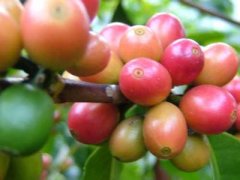
Hawaiian coffee green beans coffee beans common sense
To be considered a world-class coffee-producing region, six important factors must be included: soil quality, altitude, sunshine, cloud cover, rainfall and slope. Hawaii is blessed with these six ingredients to produce the best and most respected coffee in the world. Soil: The rich tropical volcanic soil of Hawaii provides the nutrients of the dense Kona coffee tree. sea
2015-05-29 Hawaii Kona coffee green beans coffee beans common sense one regarded world excellent